Making the tax file understandable for every citizen
- Clarity Sprint
- AI Rapid Prototype
- UX Design
- UI Design
- Validation Sprint
How do you give citizens access to their own tax file in a way they truly understand?
The project started with a design sprint in which we looked for solutions to serve citizens with different information needs and expectations, while keeping the solution flexible for future expansion of the data. In other words: an interface that can easily be extended over time with new data as it becomes available.
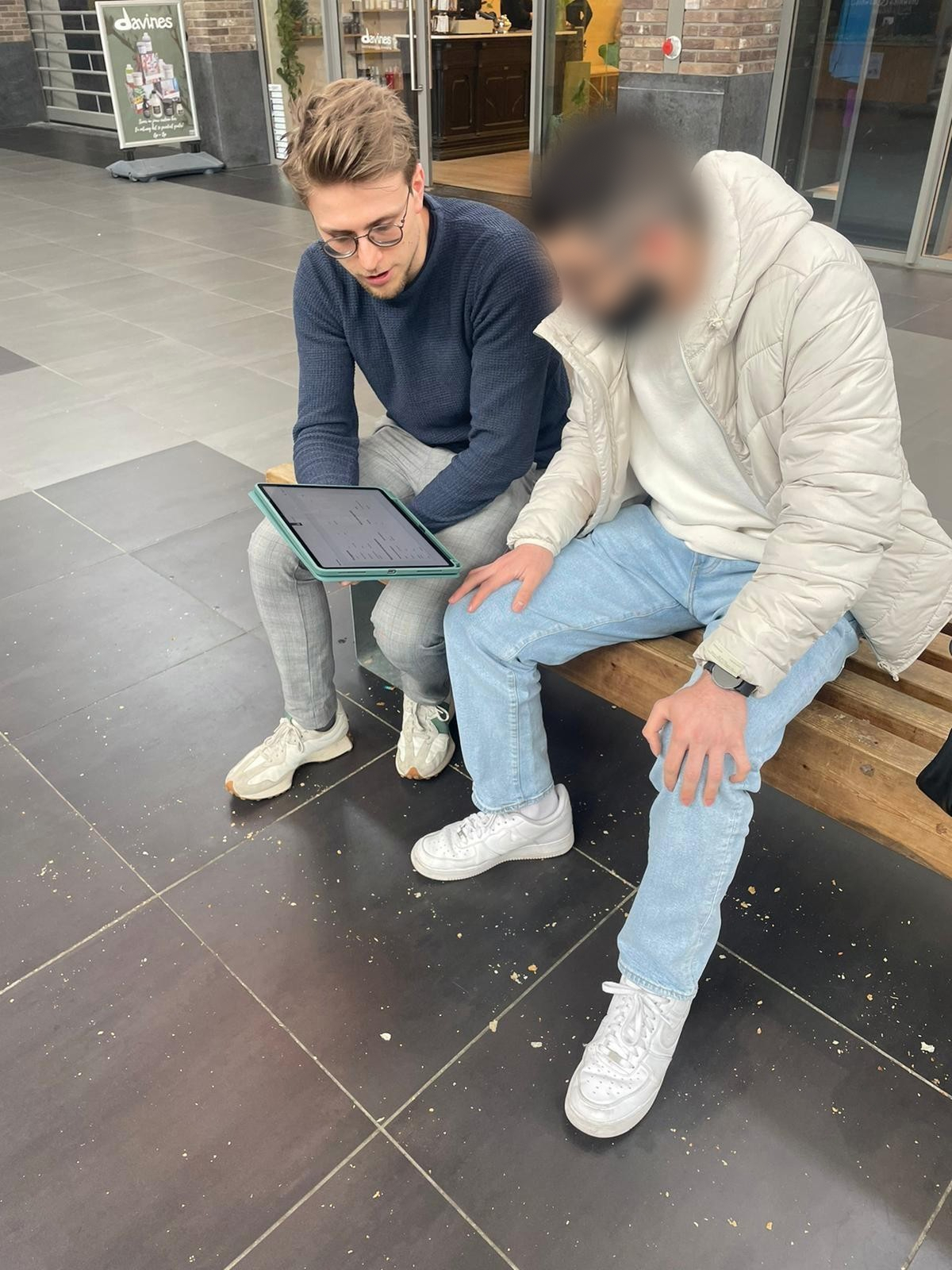
Using Figma prototypes, I then did guerilla research on the street, tablet in hand, asking questions to random citizens. This way we quickly arrived at concrete insights without having to wait long for formal testing moments.
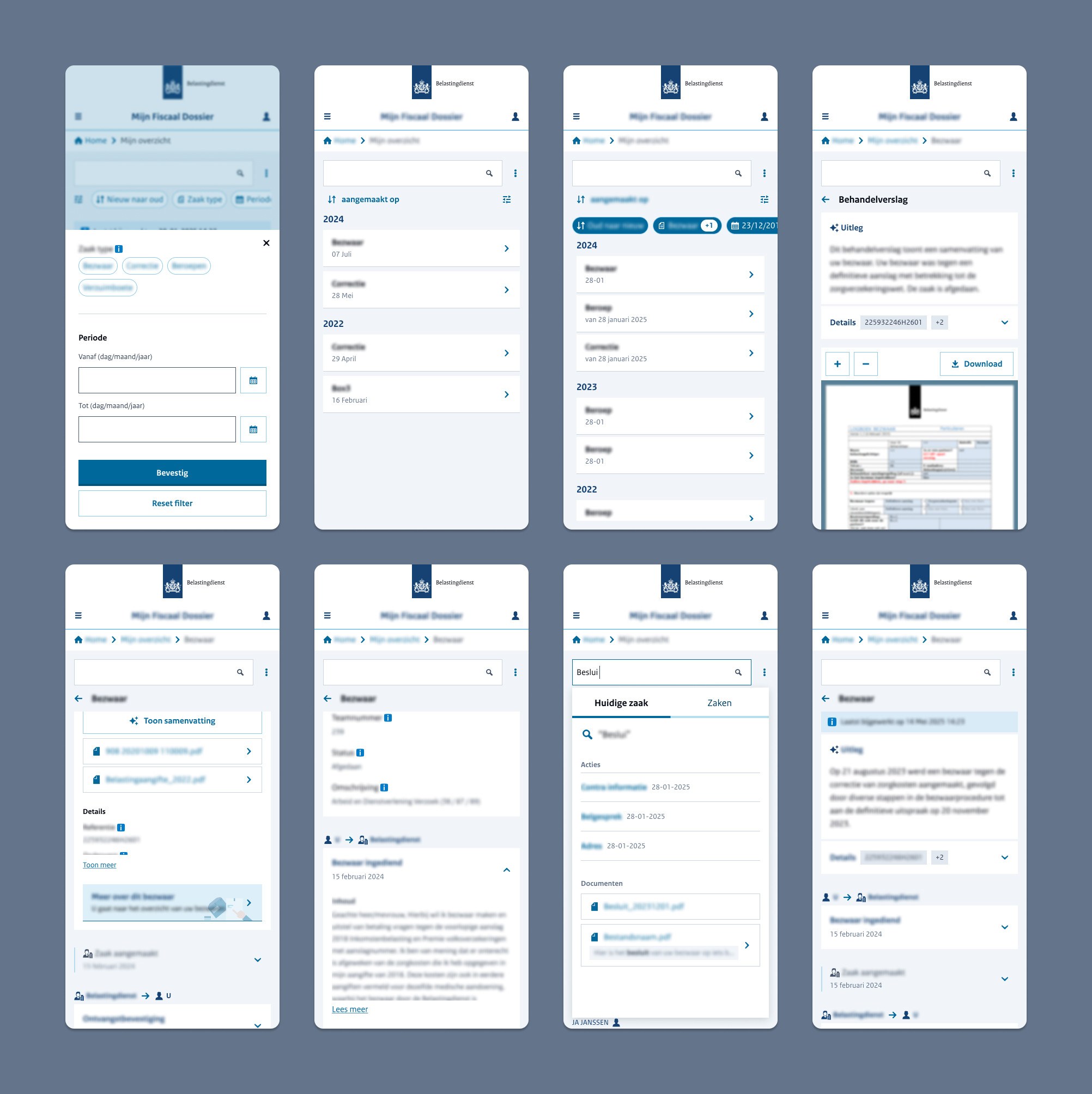
Based on the insights, I developed two prototypes and we built technical demos. These were validated through usability testing. I was responsible for the design and for figuring out which data was realistically available and how it would fit into the interface.
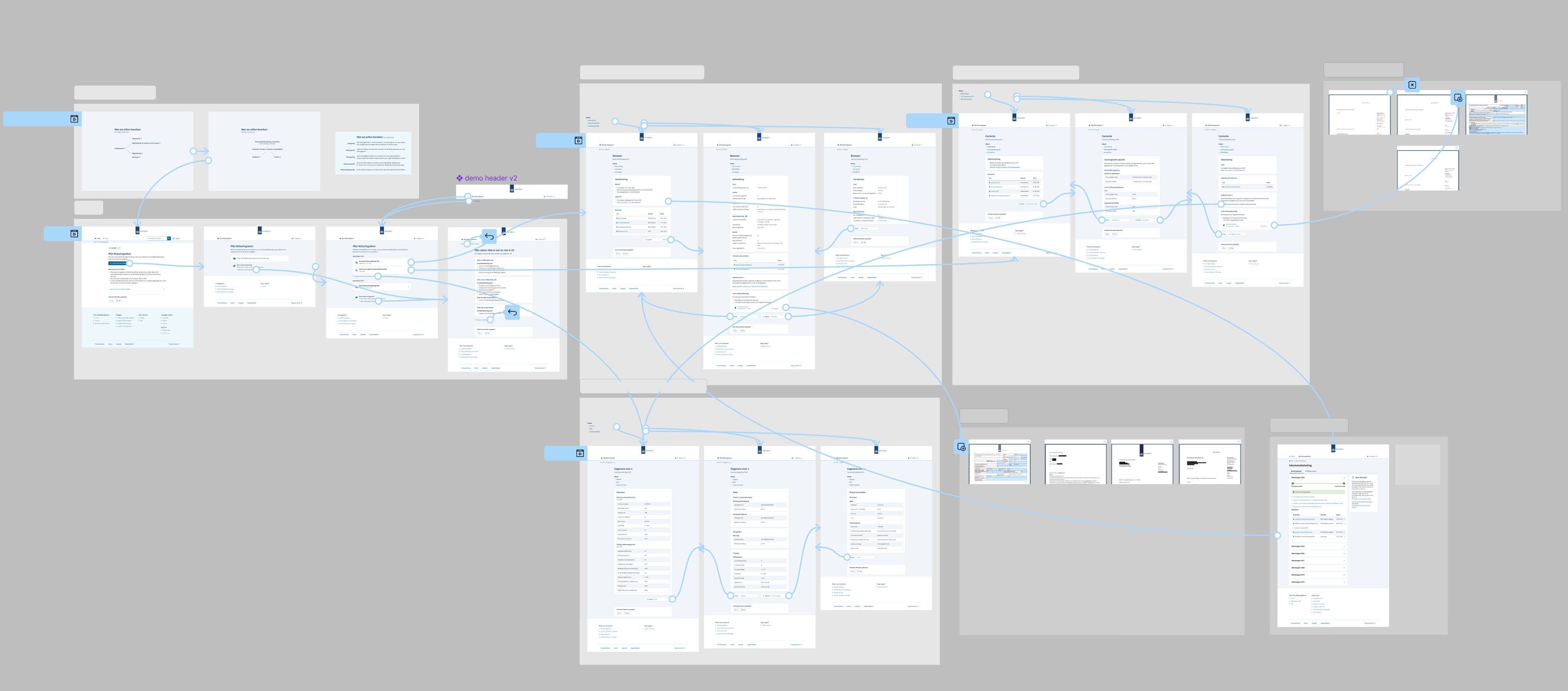
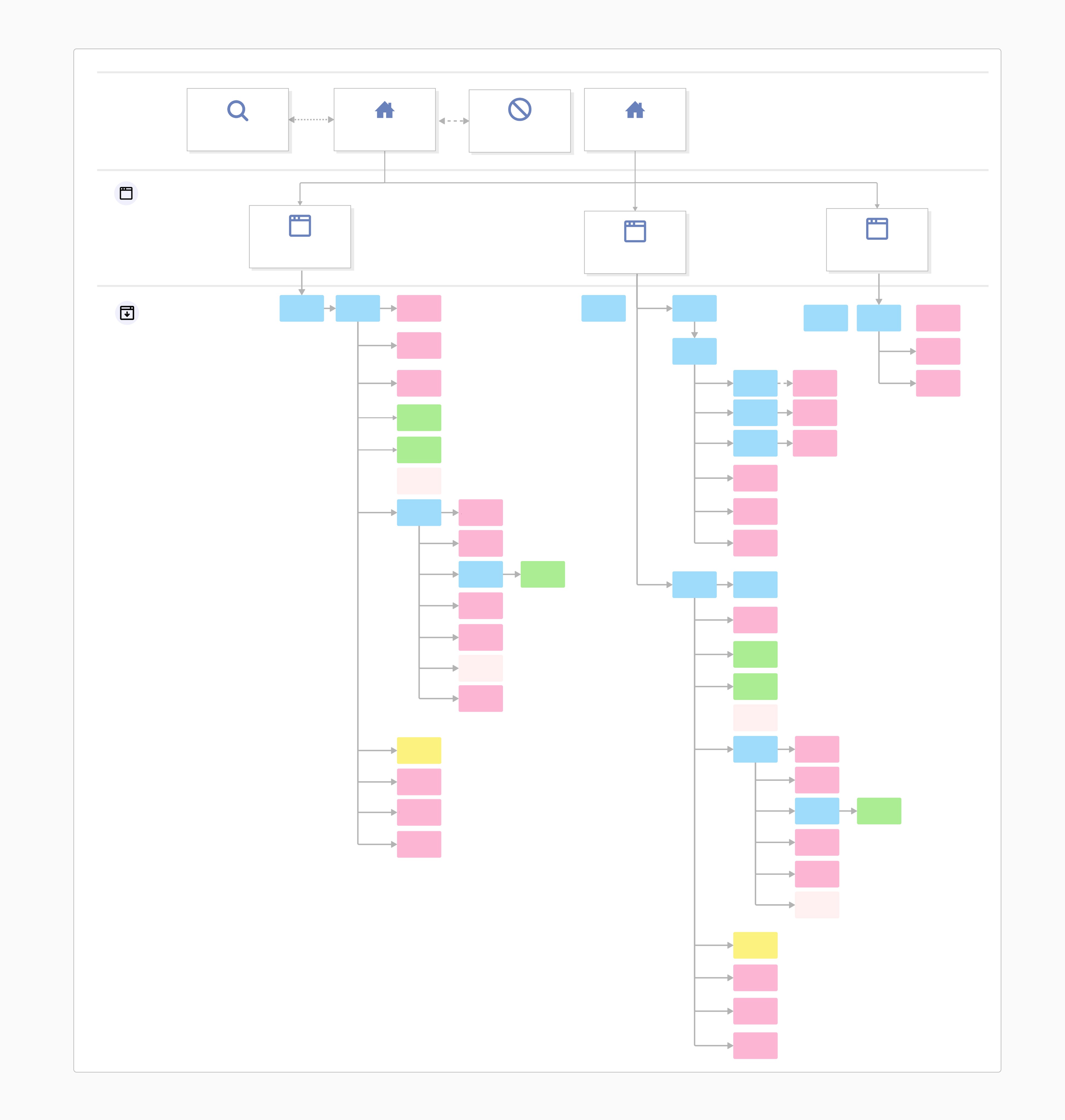
Then followed the full design: interpreting data, categorizing it, and translating it into logical user journeys & customer flows, from concept to final design, validated through semi-structured interviews.
For a long time we assumed that citizens want to see as much of the data the Belastingdienst holds on them as possible. However, once we got a clearer picture of the data that could actually be disclosed, we were able to validate this more realistically. The research in a later stage then told a different story: citizens are mainly curious about the reasoning behind and the outcomes of a case. Deeper technical details are far less relevant to the average Dutch citizen.
This insight sparked a new phase in the design approach and in the structure of the interface. Instead of an interface that shows all data as completely as possible, the focus shifted to context and meaning: what has the Belastingdienst decided, and why? Citizens responded positively to the idea that the Belastingdienst offers transparency in this way. That was an important starting point for the final design.
The project is still in the rollout phase. The delay is not in the design, but in the technical challenge of filtering sensitive data before files can be made publicly accessible, a complexity that has also been acknowledged in the public parliamentary documents. The designs and prototypes are ready once the technical prerequisites are met.
The project showed that transparency for citizens does not mean showing everything. It means: the right information, at the right moment, presented in an understandable way.